
Kafountine, Casamance in Senegal
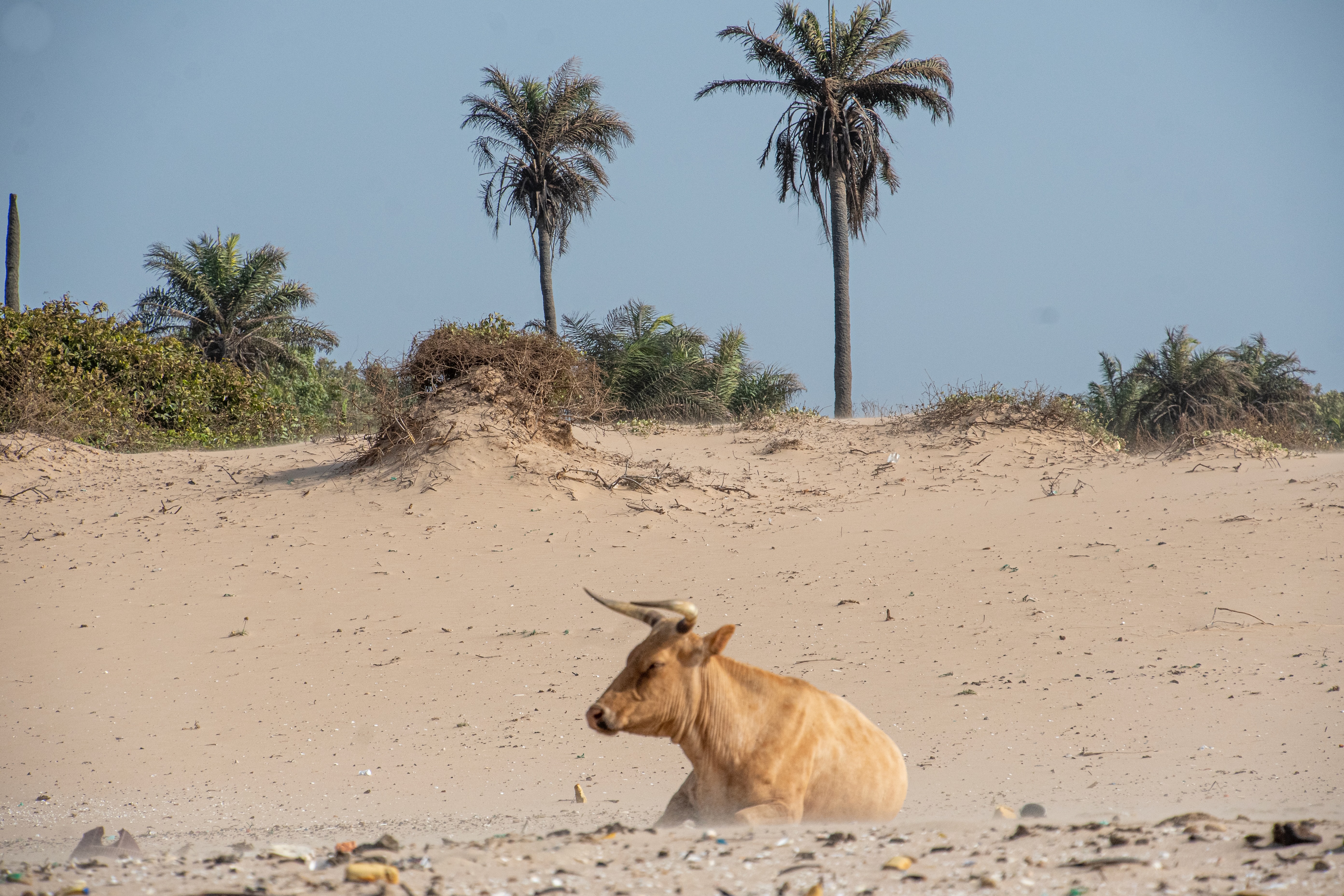
Kafountine is a fishing village on the shores of the Atlantic Ocean in the Casamance region of Senegal. Senegal is Africa’s most western country, and its capital is Dakar. The Casamance is to the south of The Gambia and many visitors travel the 2600 miles and six hours flight time from the United Kingdom via Banjul in the Gambia.

Fishing is the main source of income, attracting large numbers of workers from other parts of Africa. The village has grown hugely in recent decades and is now officially a town and a commune in its own right.
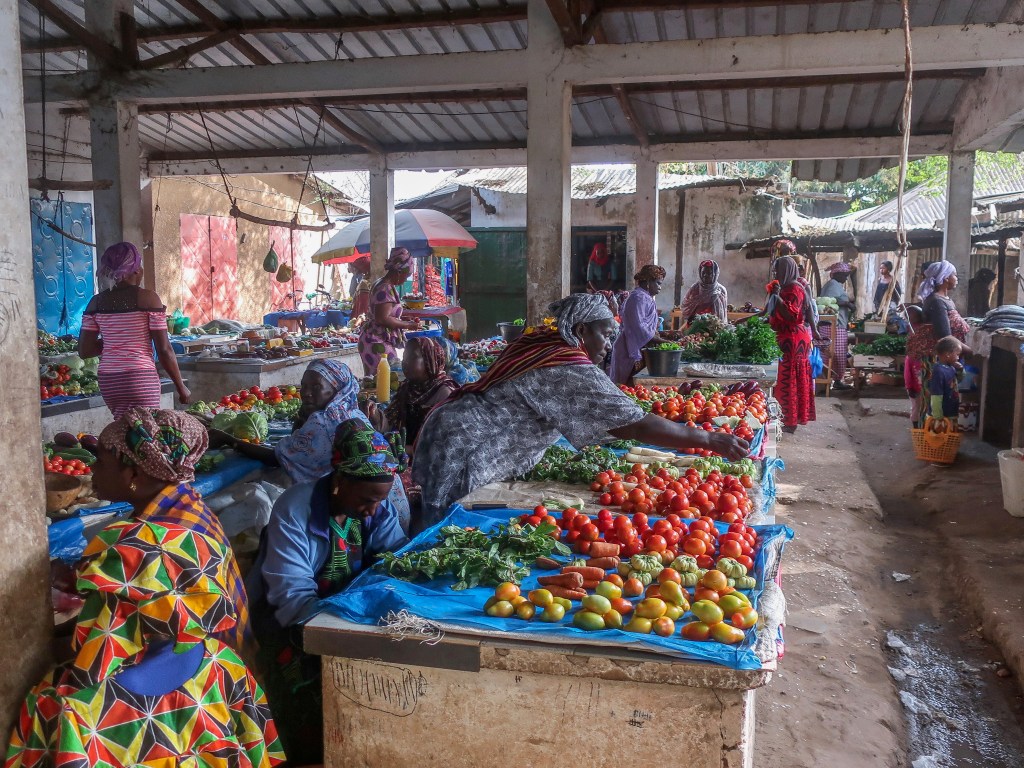
Agriculture is also important. The Diola (pronounced JO-la), long the largest community in Kafountine, are traditionally subsistence farmers. The area is fertile and traditional crops include rice, salad, vegetables and fruit such as mangos and papaya. There is also an abundant supply of fish though domestic and external pressures, including the increasing population of Kafountine itself, are pushing up prices.
The fishing industry means that Kafountine is relatively prosperous compared with many inland areas of Senegal, but by UK standards incomes are very low. While destitution is rare (thanks in no small part to extended family support structures) few people have any financial capacity to withstand sudden expenses or misfortunes, let alone to amass any savings or the ability to invest in the future.
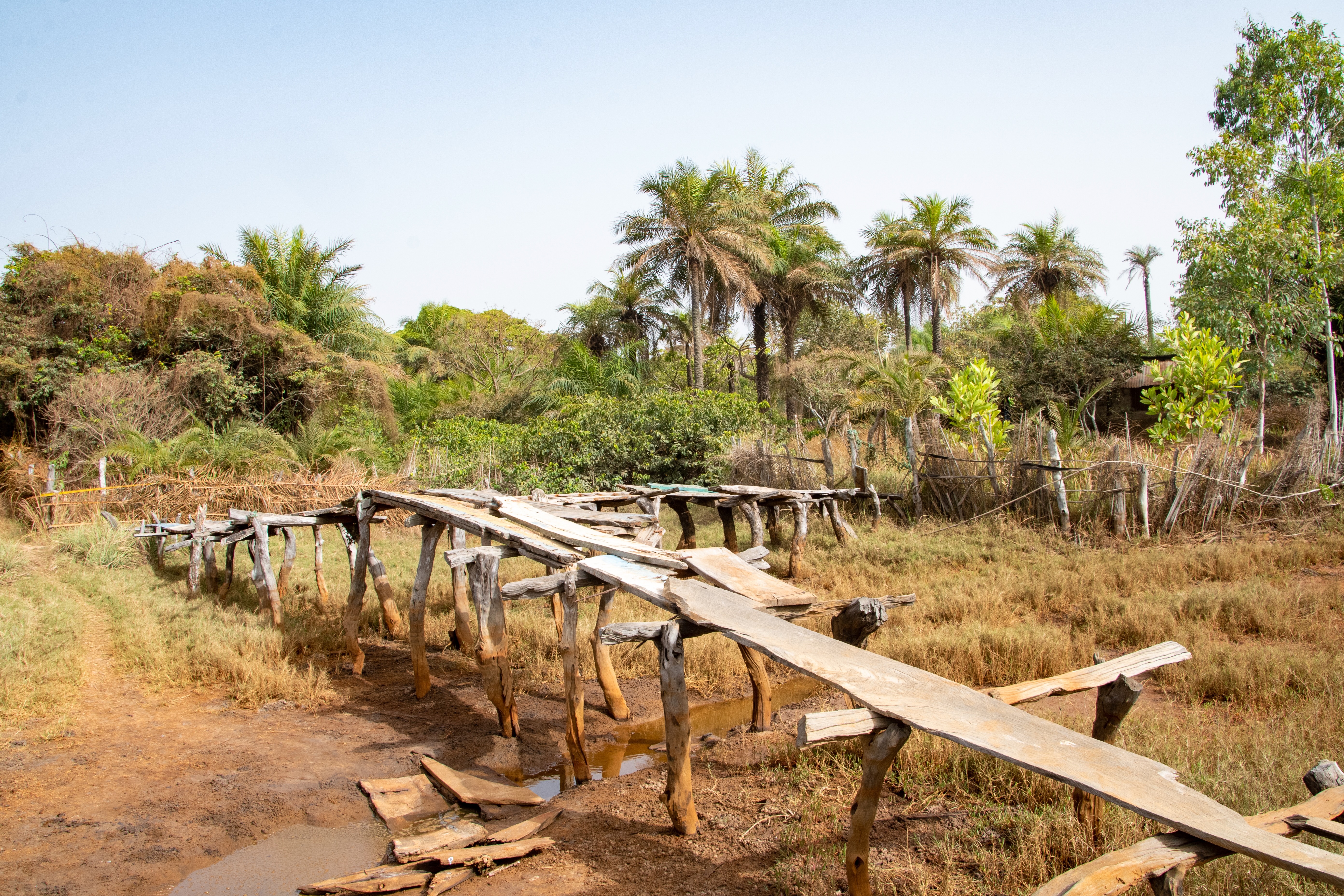
The climate is tropical and virtually the entire annual 50” rainfall falls in about 90 days between June and September. The rainy season ensures the greenness and fertility of the area, but also brings waterlogged ground, insects and a greatly increased risk of serious illness, including malaria.
Kafountine has a range of local facilities, including primary and secondary schools, a health centre and pharmacy, but for more specialist needs, including dentistry, hospital treatment and a number of official obligations, such as renewing IDs, people have to travel to the regional capital Ziguinchor, or to Banjul, or even Dakar.
The principal language of Senegal is Wolof, which is widely spoken in the Casamance, but the main local language, and ethnic group, is Diola. French is the official language of Senegal and it is spoken to a wide range of levels, from basic to absolutely fluent. Many other local languages are spoken including various forms of Diola, plus Mandinka and Fula among others. Many people are multi-lingual.
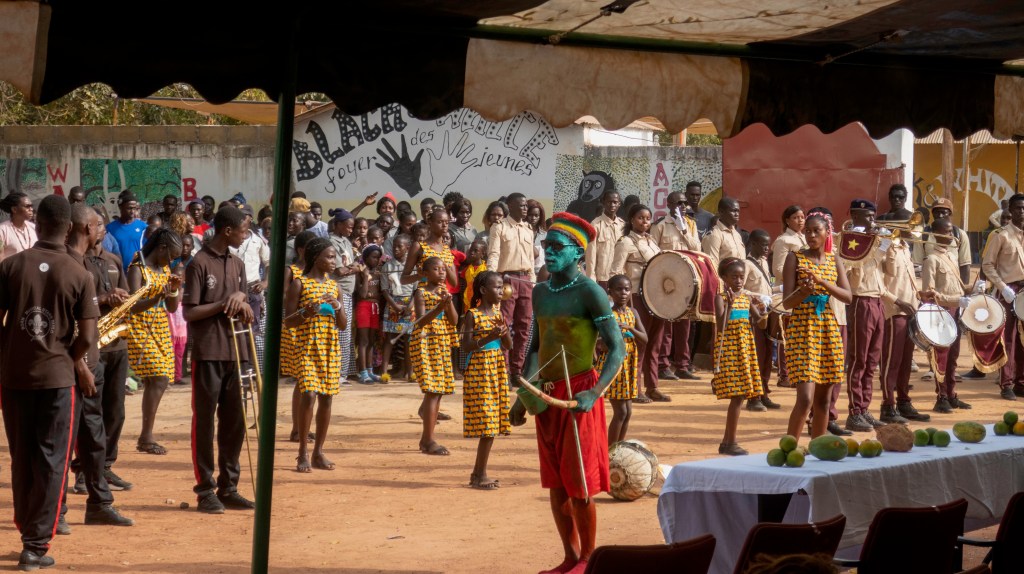
Tourism is fairly low key and not a major factor in the local economy (other than that tourist areas such as Cap Skirring constitute an important market for locally landed fish).
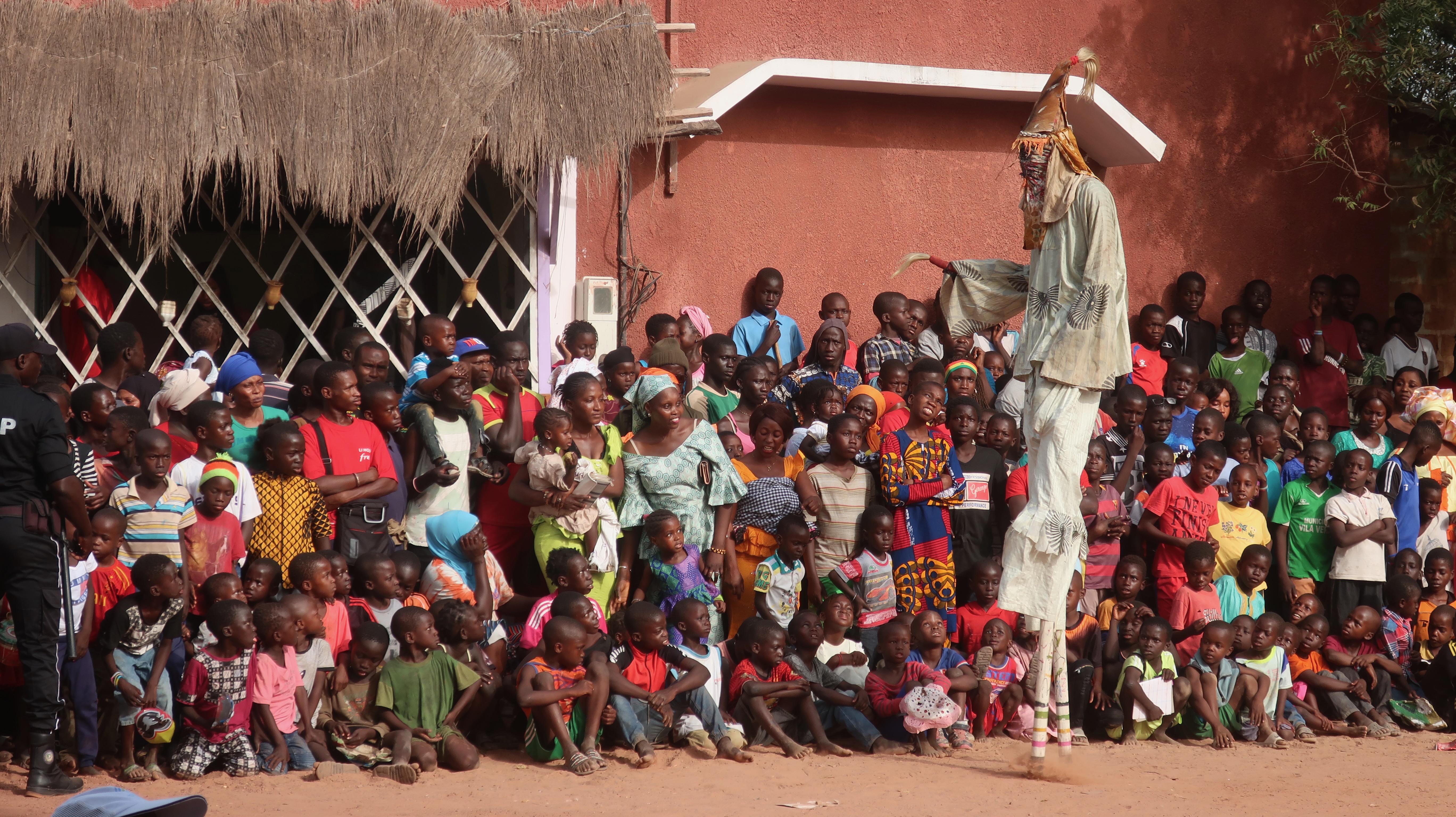
While the area is mainly Muslim there are many Christians and animist traditions are strong.
The area is enjoying a period of peace and stability and Kafountine was largely unaffected by the separatist Casamance insurrection at the end of the last century. Senegal is one of the most stable democracies in Africa, despite controversy around a delayed election in 2024.

 The Kora Trust, working as Kafountine Connections