
It is a core principle that we support projects coming from the community in Kafountine
One of our Trustees lives and works in Kafountine at the Kora Workshop. This together with the integration of the Workshop into the local economy and community, means we are well placed both to identify projects and to monitor their progress.
We do not provide charitable assistance to individuals. We support projects having some communal benefit that meet at least one of our three objectives of supporting education, the environment and economic sustainability/employment.
The Little School
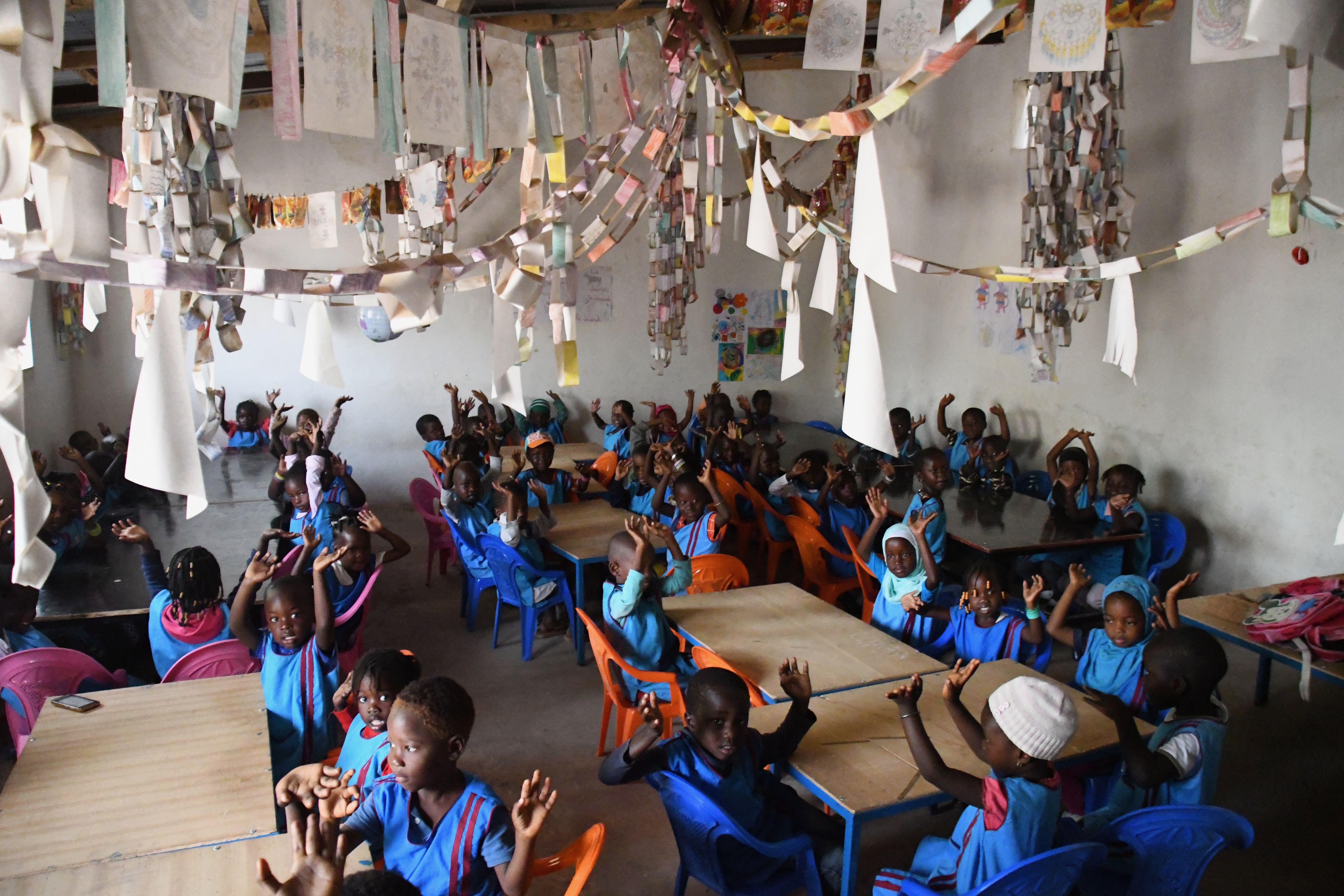
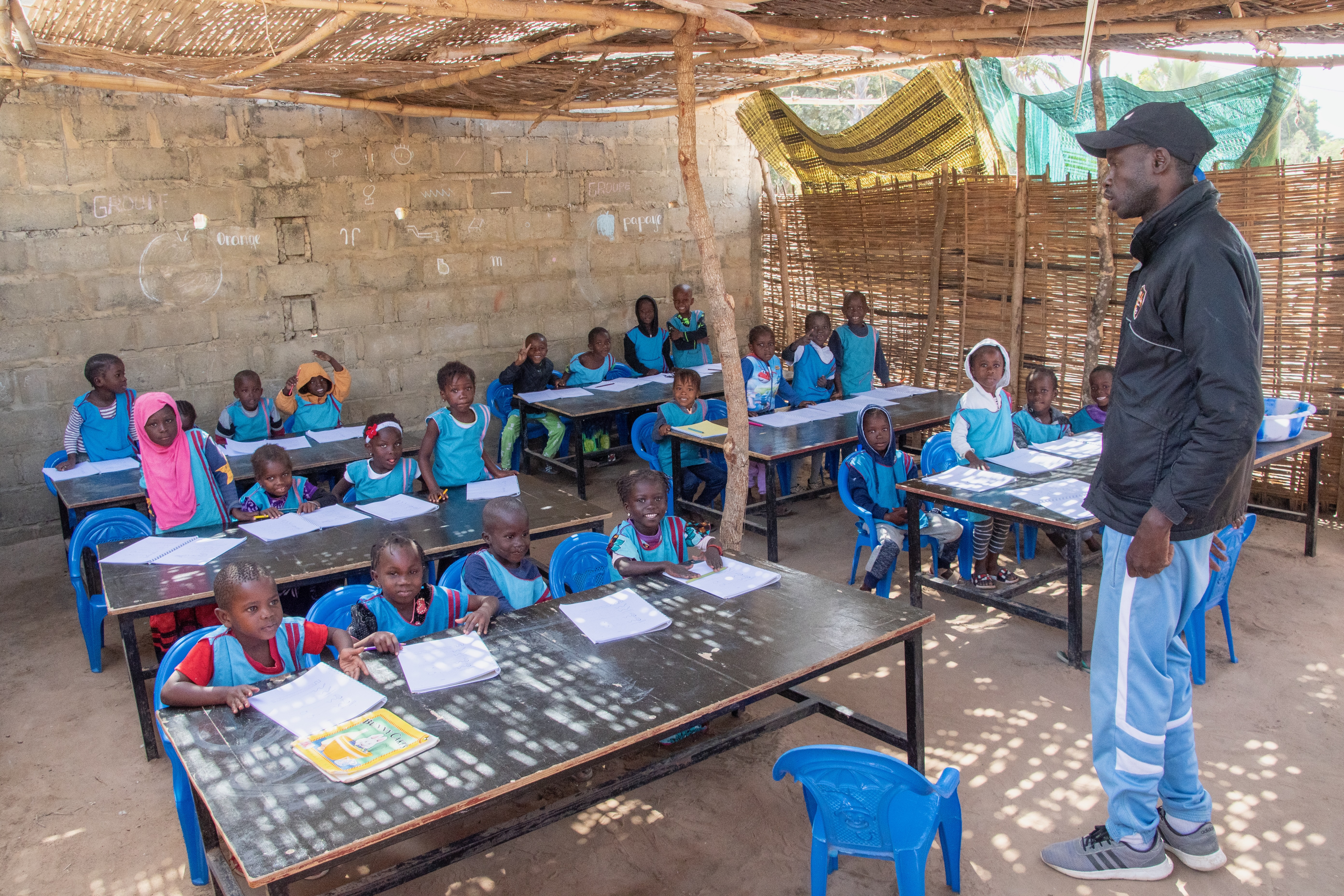
The first project supported by the Kora Trust, and still our most significant ongoing commitment is the Youssouph Kalagan Diatta pre-school, locally known as the Little School.
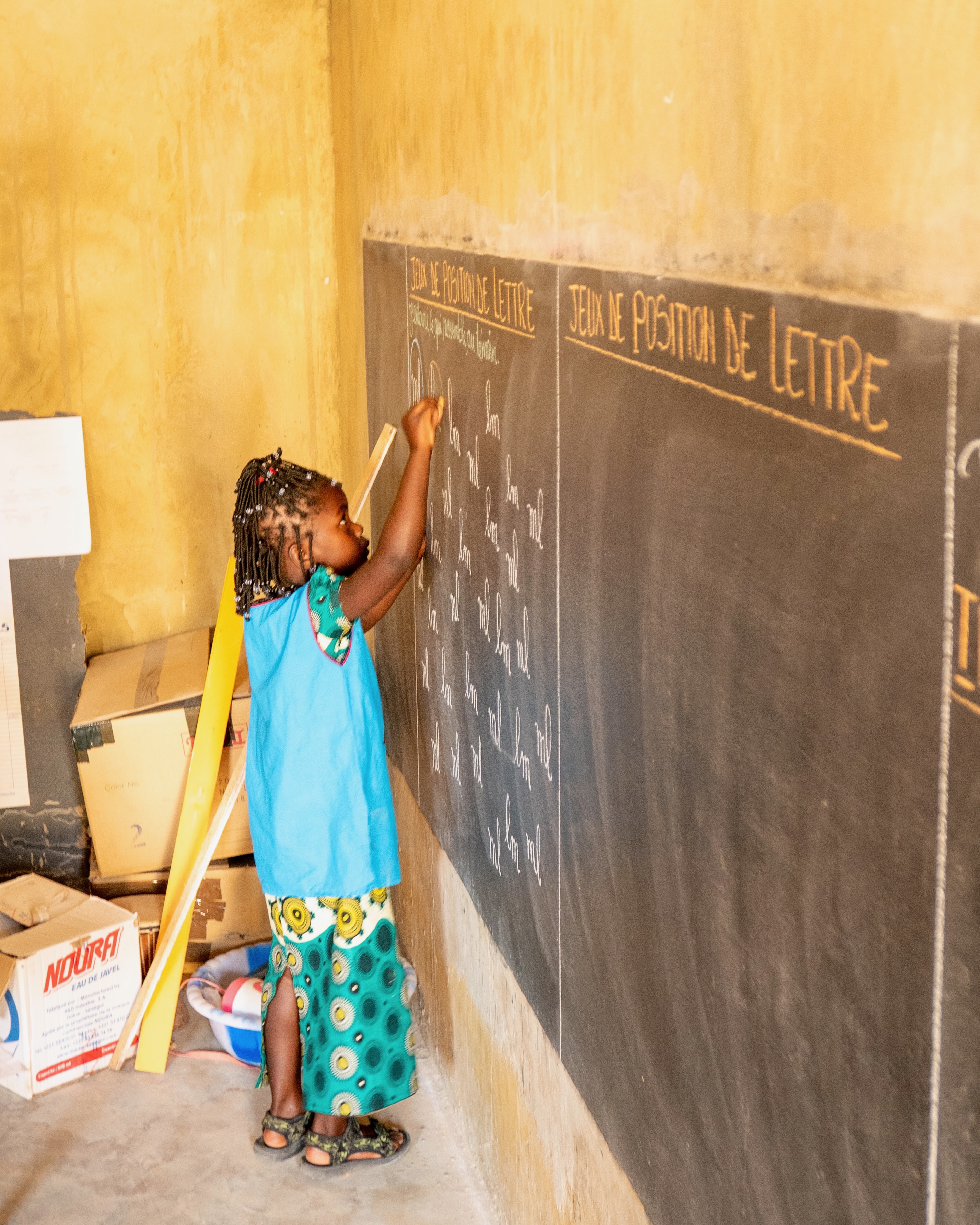
The community-run pre-school prepares children for entry into the local primary school. Most children only speak a local language at home and are taught first steps in French, personal hygiene and social skills. This enables them to focus their energies more effectively on learning when they enter primary school.
The school is subject to inspection by, and has been found to meet the requirements of, the Senegalese government.
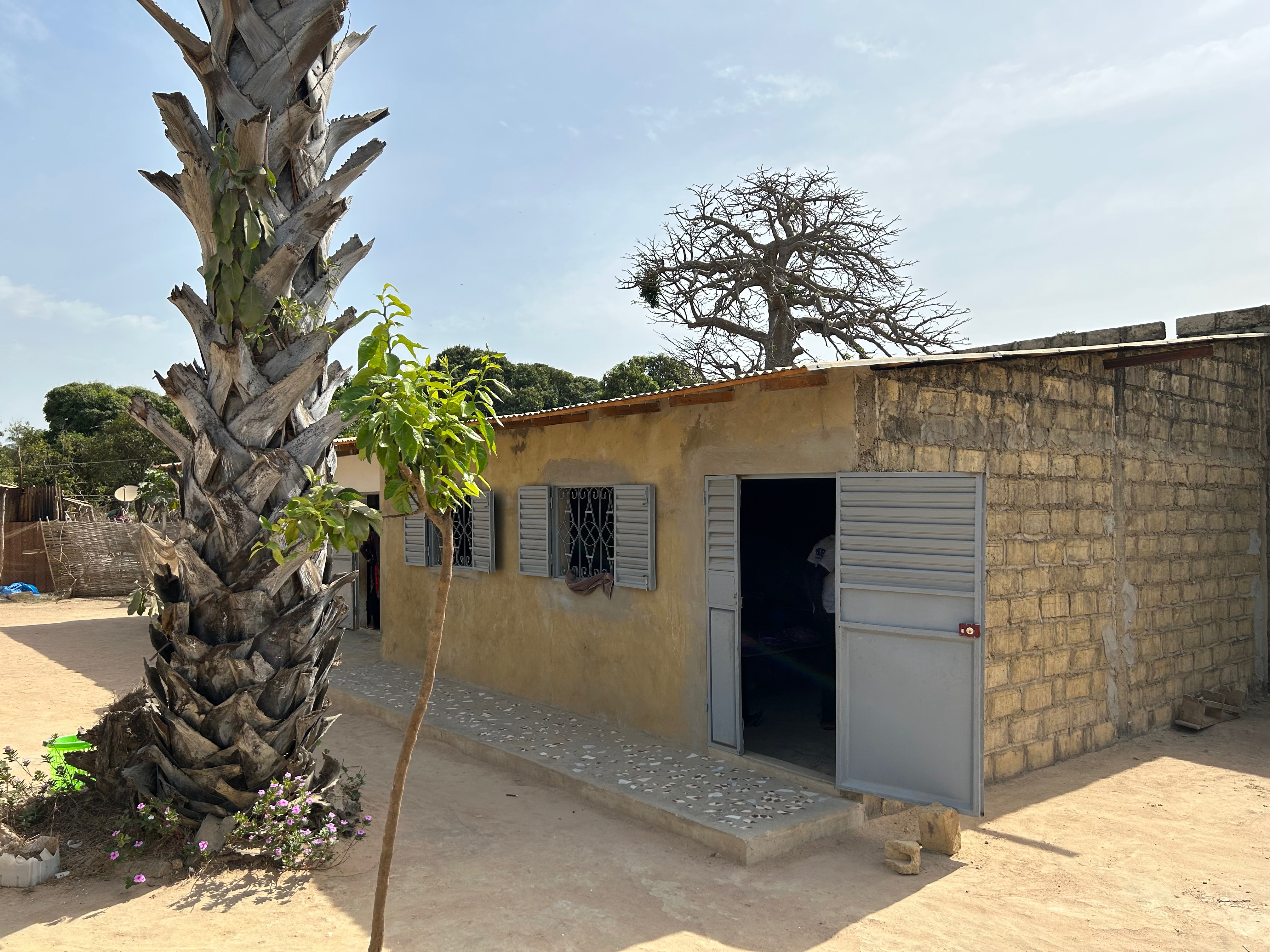
The Trust supports the salaries of two teachers and a teaching assistant. It helps build and maintain the facilities at the school, including help to build a new classroom as well as accommodation for the teachers. There are two classrooms. Until recently the second was made of bamboo-like material which provided shade but offered no protection during the rainy season and needed almost complete renewal every year. A donation from the estate of a supporter enabled us to build a less picturesque, but far more practical permanent structure. We have also recently put a roof on the toilets and mended the fences surrounding the school, which had been broken down by marauding cattle!
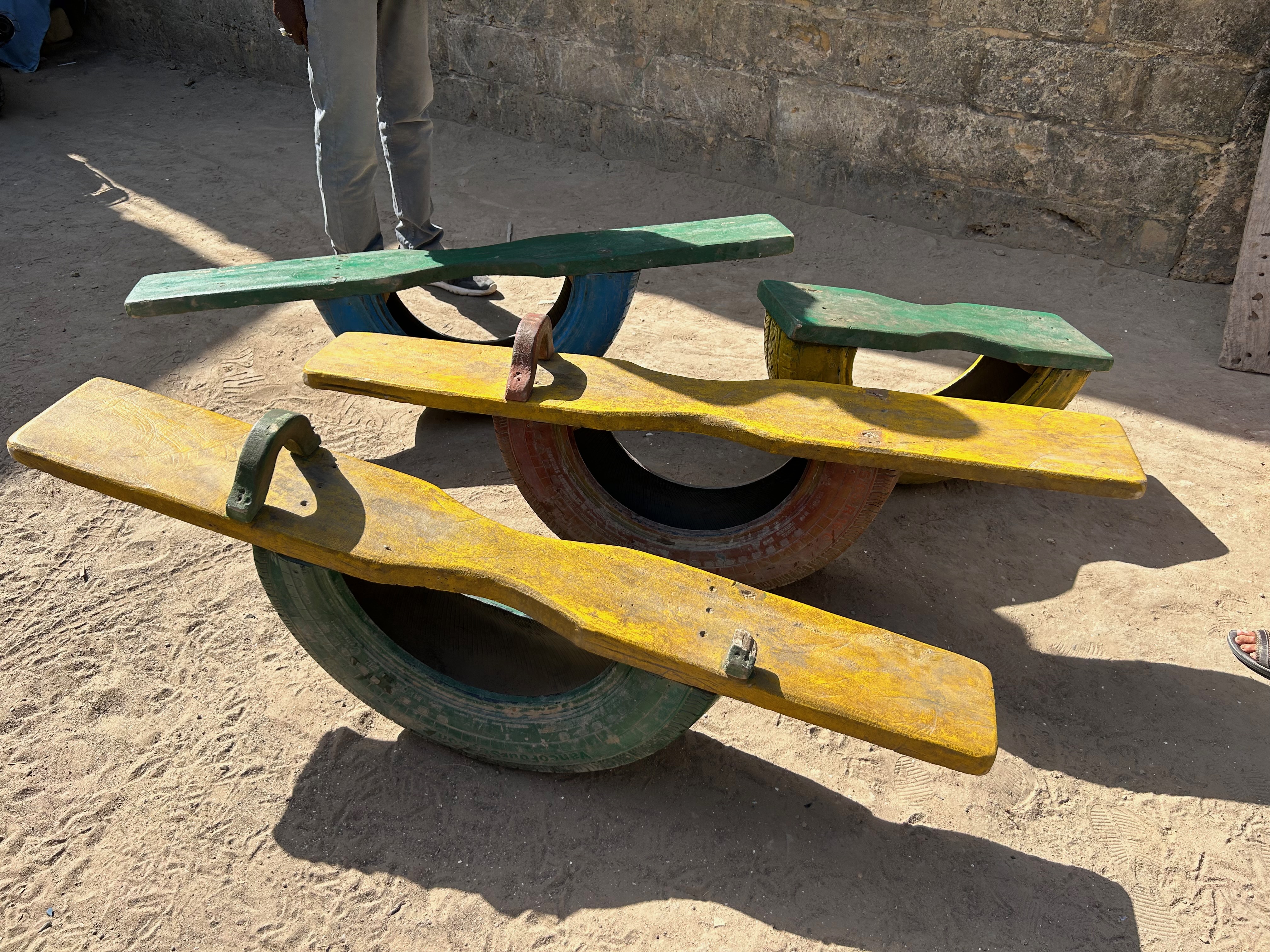
Another generous donation from a supporter celebrating her birthday enabled us to pay for play equipment, including some very popular and highly robust see-saws made from recycled wood and tyres. Very few things in Kafountine are used only once.
The Souada Coly Pottery
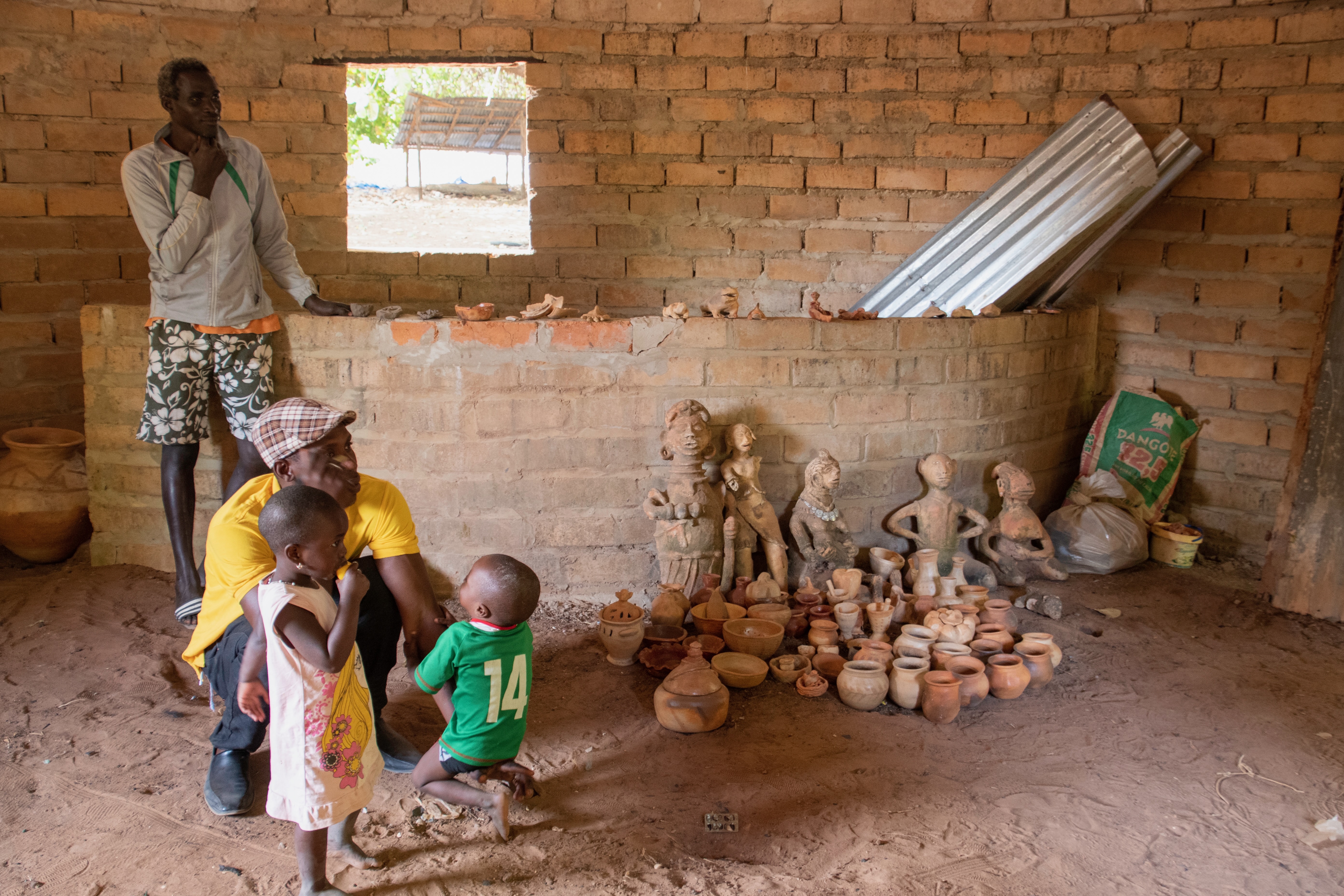
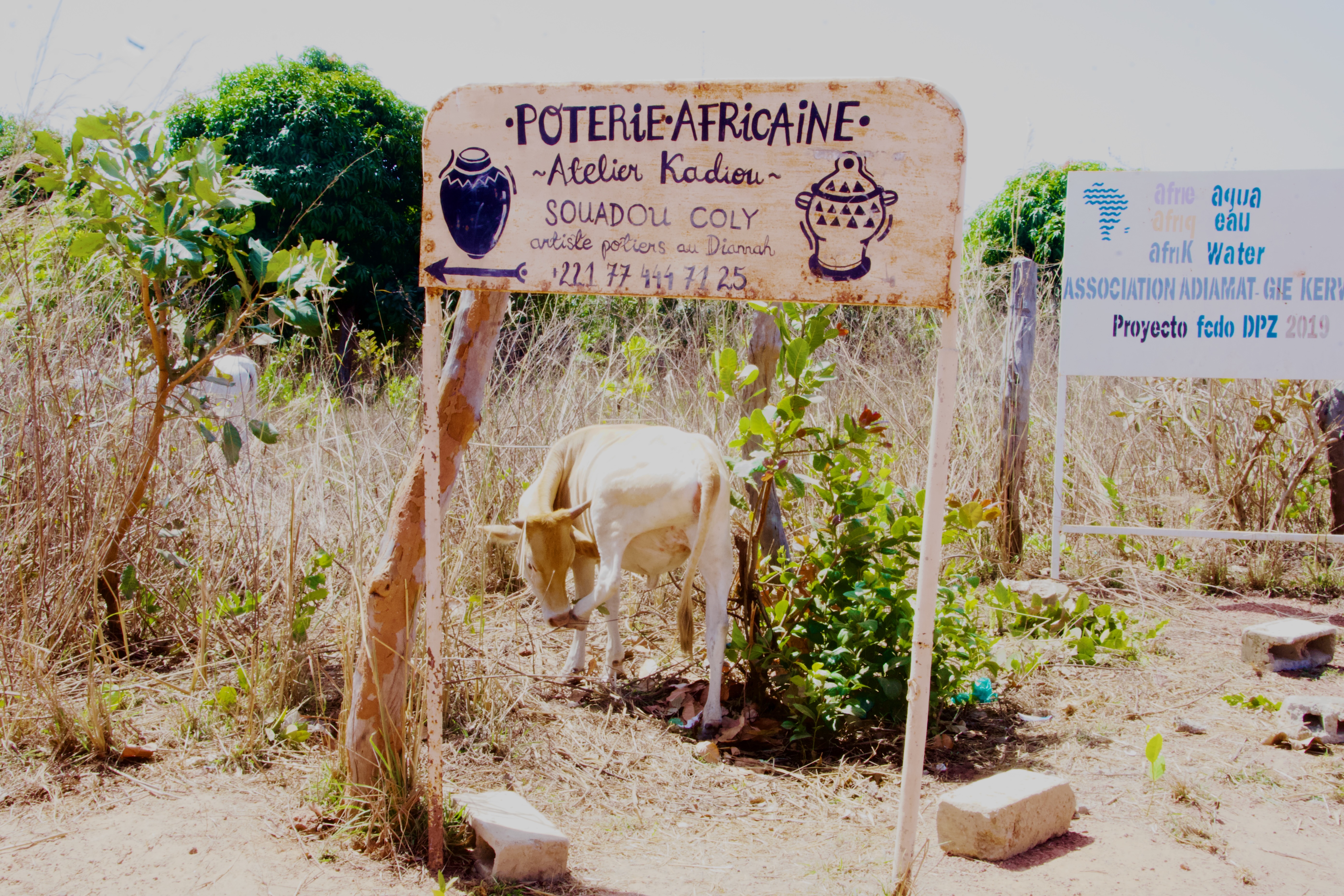
The Souada Coly pottery is the last surviving traditional potter in the Kafountine area.
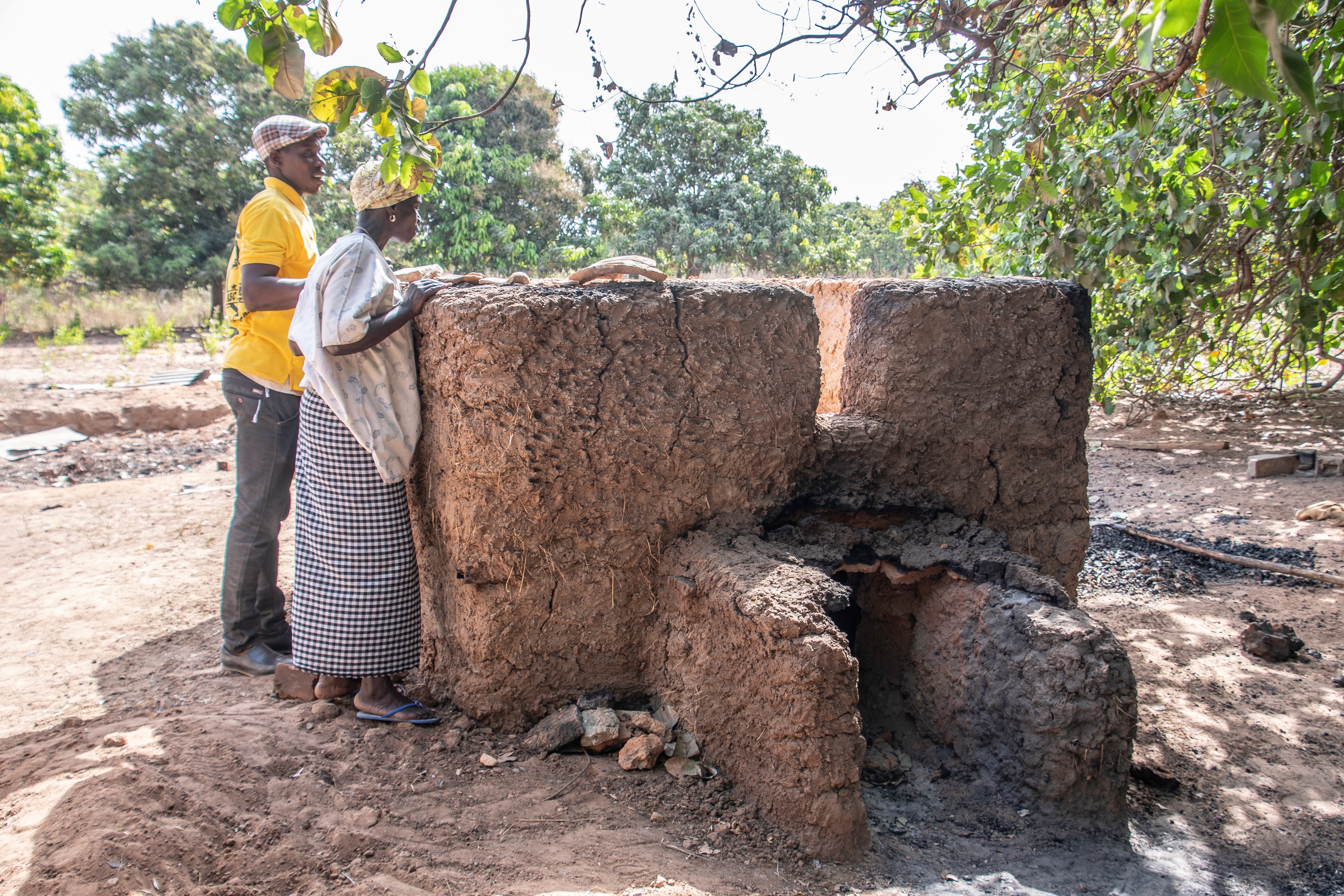
When Souda was introduced to the Trust the pottery was struggling. In particular her kiln was broken and she did not have the capital to replace it. This traditional skill was in danger of being lost, not least because her daughters were reluctant to commit to a declining business.
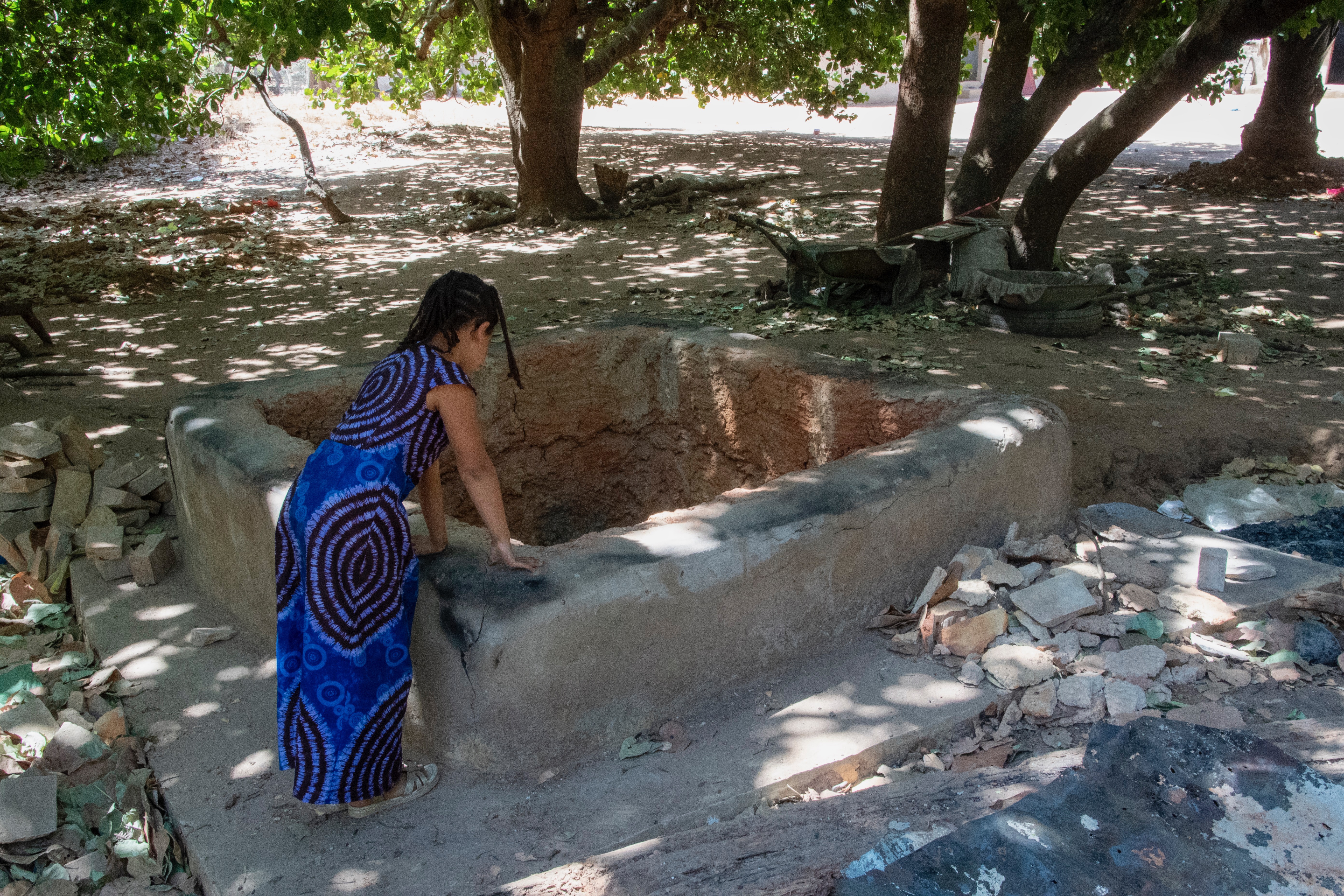
The Trust helped to build a new kiln for the pottery, a clay and wood store and a simple undercover showroom where Souada could display her work and even run workshops.
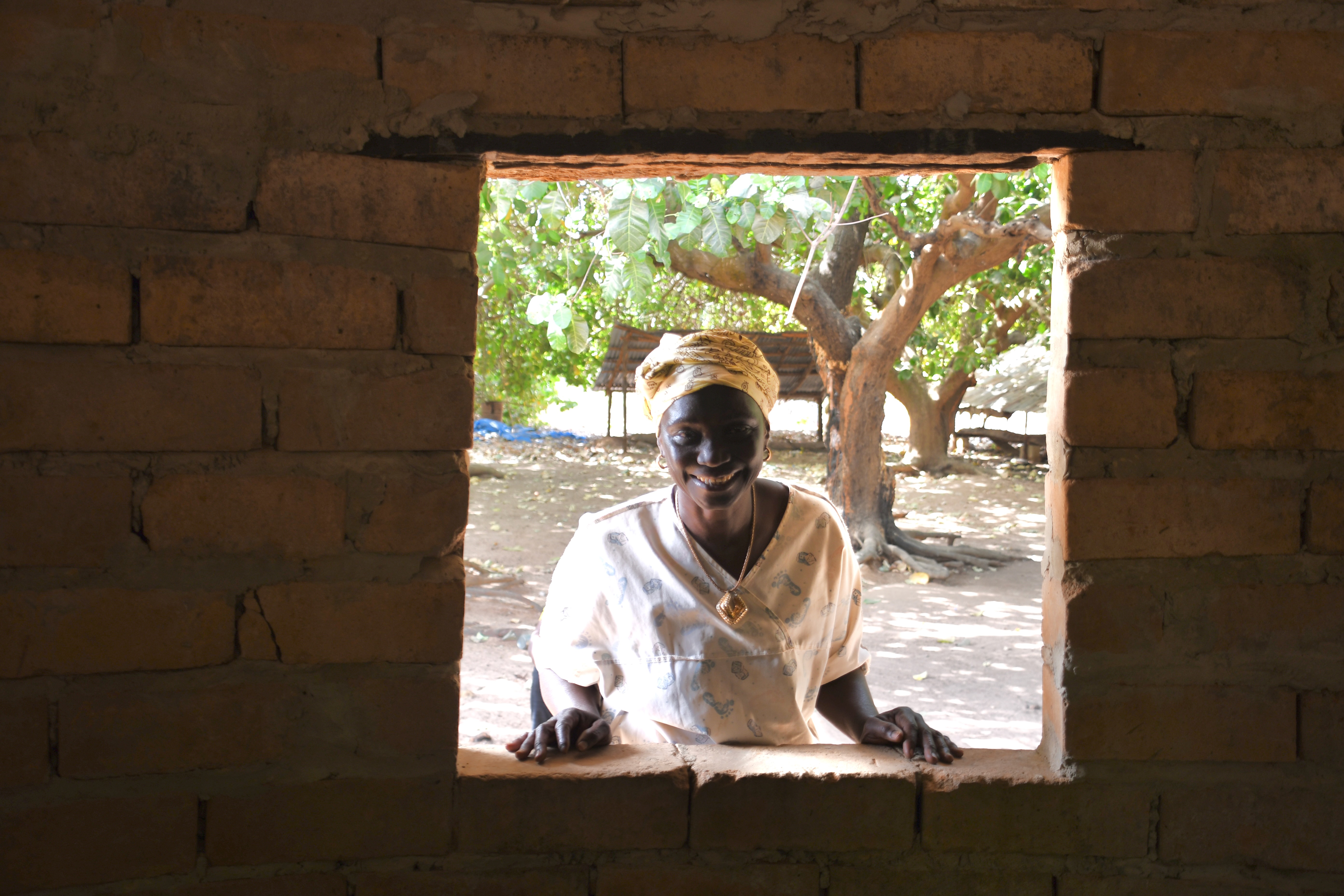
With the above improvements, Souada has been able to increase her output and regularly supply her functional earthenware pots to local markets, as well as create new work, which has attracted passing visitors and tourists. Now with the revamped set up, two of her daughters have committed to the business, continuing the traditional skills that have sustained their family for many years.
La Nature Vert
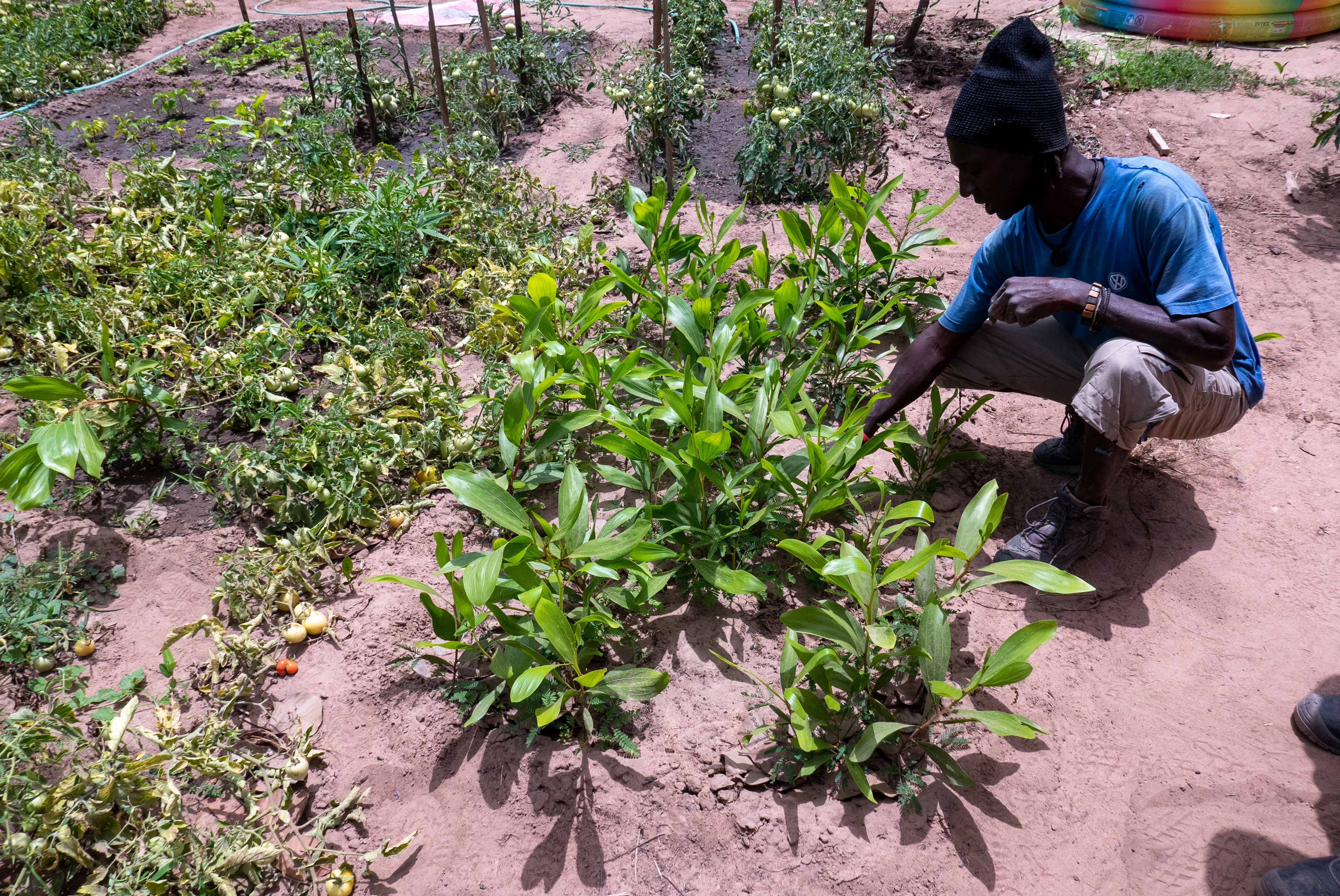
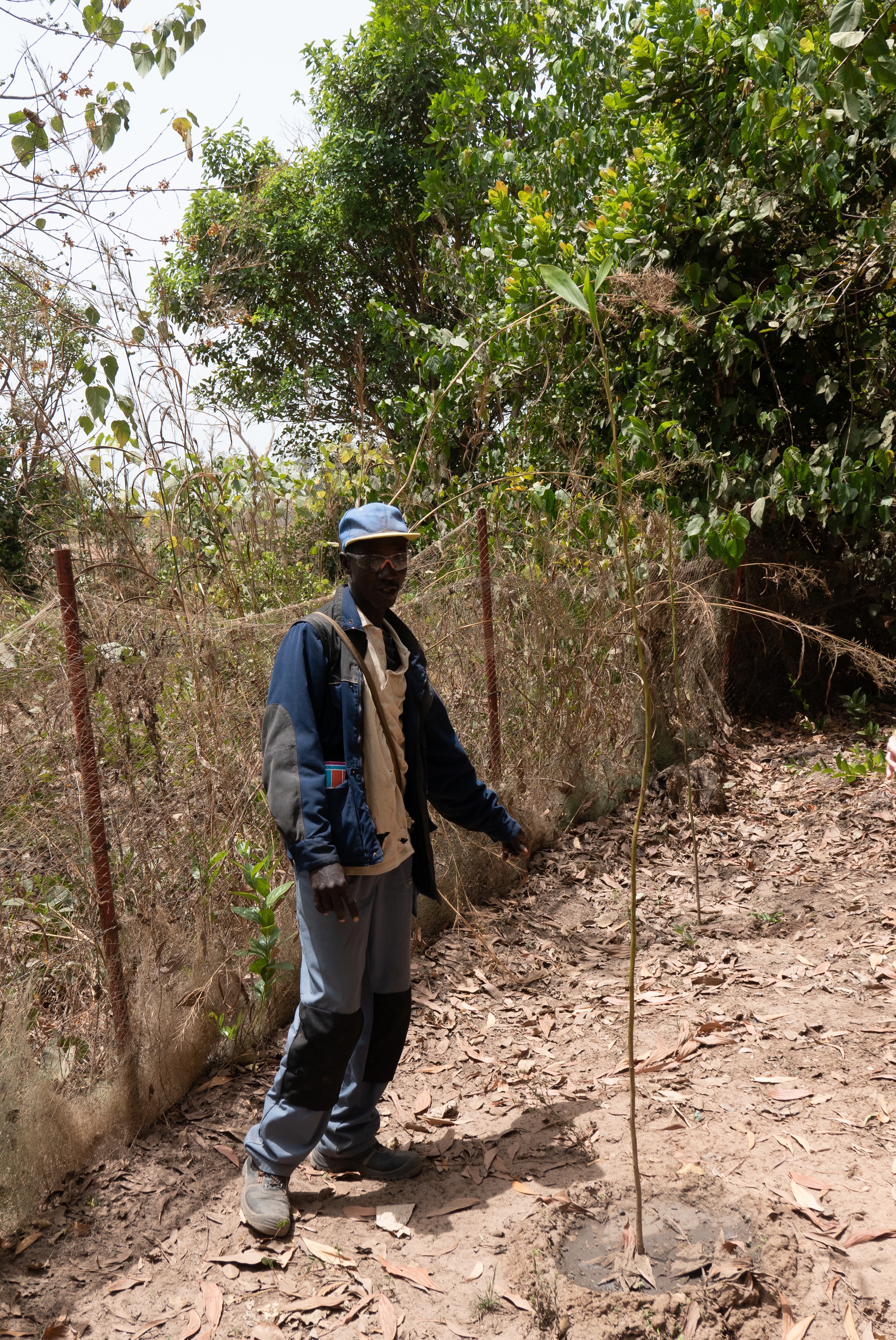
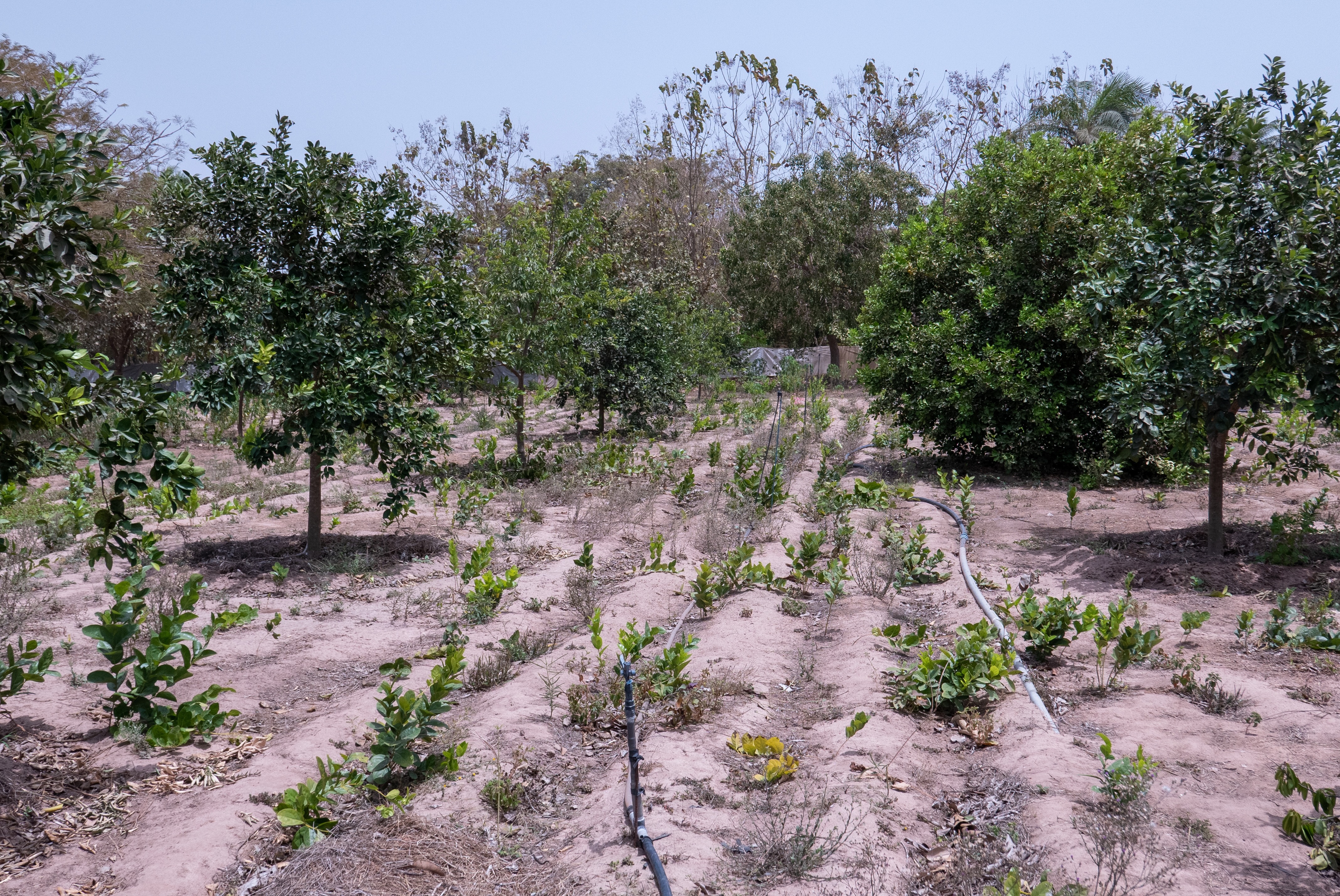
This is a project, La Nature Vert, developed and managed by local woodworkers to guarantee supply of wood for future generations. They have joined forces with a local farmer to pilot a tree-planting project.
They aim to persuade the Marie (the local Council) to allocate land to this project but need to demonstrate its viability for this to happen. At present the pilot is being run on a beautifully tended market garden, growing a wide variety of fruit and vegetables, just outside Kafountine.
The trees are Acacia mangium, Australian black wattle, a non-native but naturalised species not considered invasive. They are unusually fast growing for a hardwood, growing to a usable size in five years. They also have the huge advantage of being termite resistant.
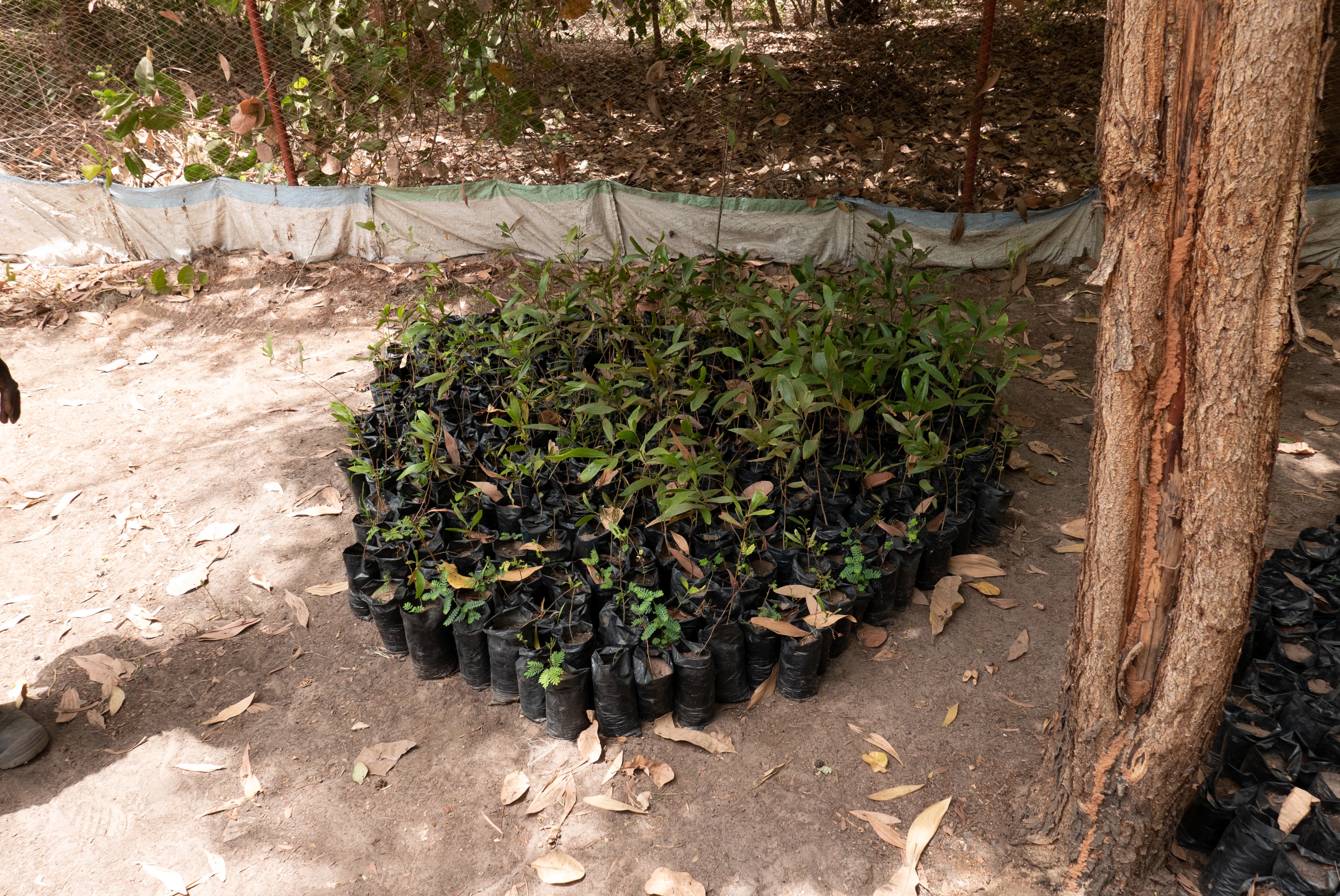
Our funding initially was to buy 700 reusable sachets in which seeds (which are collected from around existing trees) were planted. Under half the seedlings survived. The two problems were relying on enthusiastic but essentially unreliable volunteers for watering in the dry season and lack of protection from battering and drowning in the rainy season.
We have therefore provided further funding for a “bache” to protect the seedlings in their first rainy season and to pay a small retainer to those volunteers who have proved reliable to assist with expenses (getting to the site, food and refreshments).


Kalilu
Kalilu is a cooperative of local tailors. They have identified that the cuttings from their work, which would otherwise go to landfill, can be woven together to form an extremely strong fabric, which then be used to make a variety of highly colourful and very robust products, such as bags and jackets. The co-op would support several women, working from home, in weaving the cuttings together. In order that Kalilu can demonstrate what can be made, the Trust has paid for a heavy-duty sewing machine, capable of working the thick material. We are also working with Kalilu to establish links with the local girls’ school for tailors with a view to linking the project to formal training.
Progress has not been as fast as was originally hoped, due partly to the illness of one of the principals and also to the demands of day-to-day working, which do not always leave time for forward planning. This is a reminder of the everyday realities of making things happen in Senegal The co-op, and we, remain committed to the project and are confident it can succeed.

Woodworking and shoe-making tools
One of our supporters is a shoe-maker who has regularly visited Kafountine and spent time talking to local craftspeople. He was struck by how they managed to produce high quality work with very limited tools. He organised a collection amongst fellow craftspeople back home in The Peak District , with the result that a large crate of tools was shipped out to Kafountine and distributed amongst local craftspeople.
 The Kora Trust, working as Kafountine Connections